Where Stinging Insects Commonly Build Nests Around Buildings
People seeking stinging insect control want to remove nests around buildings, and local service providers can safely handle nest removal and pest prevention.
People often wonder where stinging insects commonly build nests around buildings, and understanding these common locations can help property owners take proactive steps to prevent infestations. Many nests are found in places like eaves, soffits, and roof overhangs, where insects can easily access sheltered spots. Other frequent nesting sites include wall voids, behind shutters, and in outdoor structures such as sheds or garages. Recognizing these typical locations is essential for maintaining a safe and comfortable property, especially during warmer months when these insects become more active.
For property owners in the area, exploring options for stinging insect control is a practical step toward protecting their homes and outdoor spaces. Local service providers who specialize in pest management can assess these common nesting sites and implement effective removal strategies. Connecting with experienced contractors ensures that nests are handled safely and efficiently, reducing the risk of stings and property damage. Keep reading to learn more about how these professionals can help manage stinging insect activity around buildings.
- Attic and eaves nests - homeowners noticing stinging insects around their attic or eaves can rely on local contractors to safely remove and prevent future nests in these areas.
- Wall voids and soffits - when stinging insects build nests within wall cavities or soffits, local pros can identify and access these hidden locations for effective removal.
- Underground nests - if insects are seen emerging from ground areas near buildings, local service providers can treat and eliminate nests below the surface.
- Gutter and roofline nests - nests forming along gutter systems or roof edges can be addressed by local experts who specialize in removing nests from these high or hard-to-reach spots.
- Porch and balcony nests - stinging insects often build nests on outdoor structures like porches or balconies, where local contractors can safely remove and help prevent future infestations.
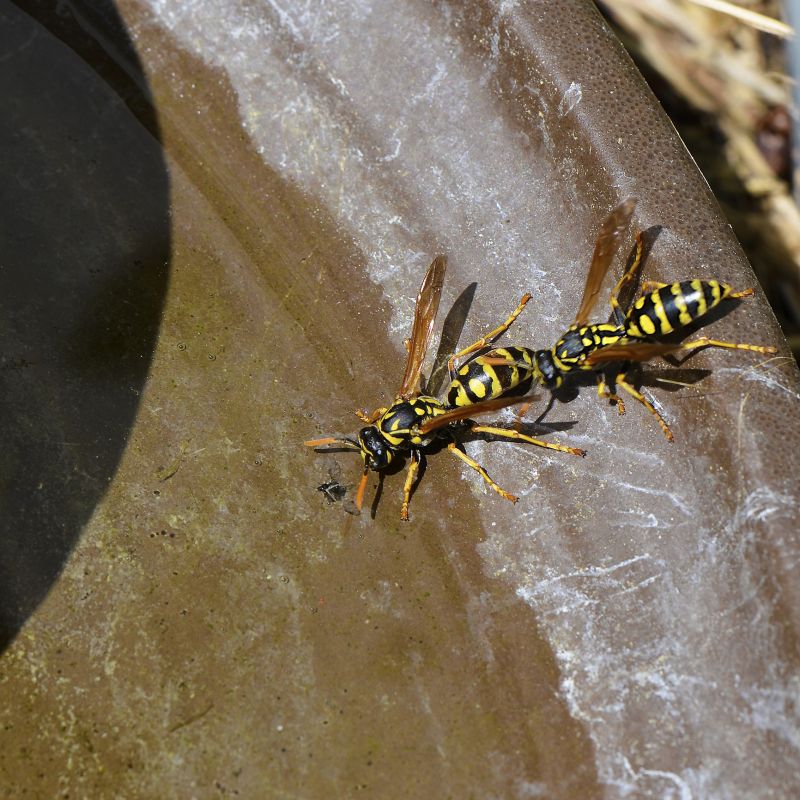
Understanding where stinging insects commonly build nests around buildings is essential for homeowners looking to prevent infestations and protect their property. When people search for this topic, they often want to identify the specific locations around their homes or commercial properties where these insects tend to establish colonies. Recognizing these common nesting sites can help in planning effective removal or preventative measures. Homeowners may be concerned about the safety risks posed by stinging insects, especially if they have children, pets, or frequent outdoor spaces. Additionally, some are interested in understanding how to identify early signs of nests to avoid accidental disturbances that could provoke stings.
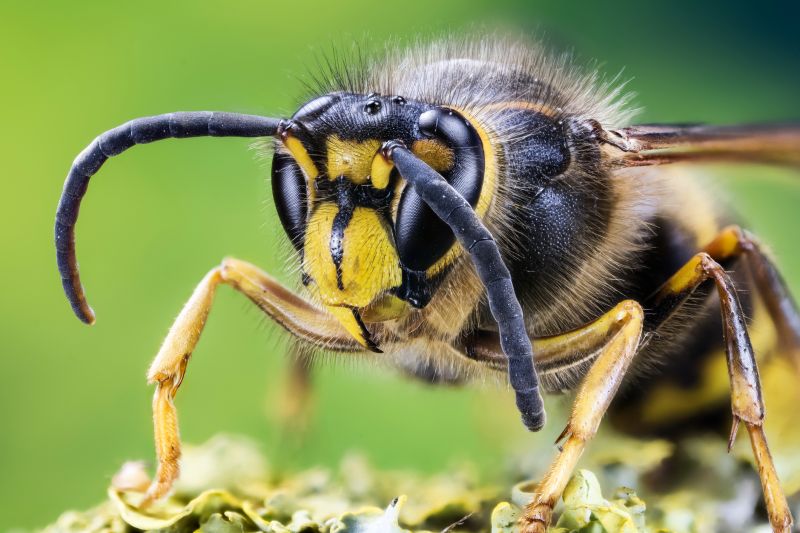
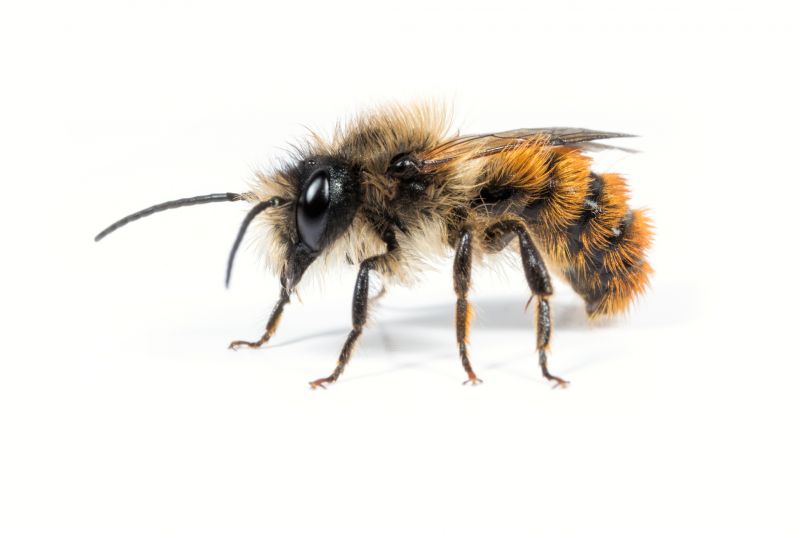
This topic relates closely to problems such as unwanted insect activity, property damage, and personal safety hazards. Stinging insects like yellowjackets, paper wasps, and hornets typically build nests in sheltered, hard-to-reach areas that provide protection from the elements. Homeowners may also be planning to eliminate existing nests or prevent new ones from forming. The presence of nests near entry points or high-traffic areas can increase the risk of stings, making it important to address these issues promptly. Local service providers specializing in stinging insect control can assess property-specific nesting sites and recommend tailored removal or prevention strategies to keep these pests at bay.
Properties that commonly encounter nests around buildings include residential homes, especially those with yards or gardens, as well as commercial properties like warehouses, restaurants, and office buildings. Structures with eaves, soffits, or overhangs are frequent nesting sites because they offer sheltered spaces that remain relatively undisturbed. Outbuildings such as sheds, garages, and barns are also common locations where stinging insects may establish colonies. In addition, areas with dense shrubbery, trees close to structures, or debris piles provide ideal environments for nests to develop. Local contractors experienced in stinging insect management can help identify these vulnerable spots and implement effective nest removal or exclusion measures.
For homeowners dealing with nests around buildings, understanding these common nesting locations is a vital step toward effective pest management. Local pros can evaluate the property to locate active nests and advise on safe removal techniques. They also offer preventative services to reduce the likelihood of future nesting, especially in hard-to-reach or sheltered areas where insects prefer to build. Recognizing where stinging insects commonly choose to nest allows property owners to take proactive steps, reducing safety risks and minimizing potential property damage. Connecting with local service providers ensures that professional expertise is available to handle these situations efficiently and safely, helping to maintain a pest-free environment around the property.
Nest removal projects involve identifying and safely removing nests built by stinging insects around buildings, requiring similar planning and access skills as insect control services.
Exterior home inspection services focus on assessing structural areas where insects may build nests, aligning with the skills needed to locate and address insect nesting sites around buildings.
Structural repair projects often involve sealing entry points and repairing damage caused by nesting insects, which complements the planning and access skills used in nest prevention efforts.
Gutter cleaning and maintenance can help prevent nesting sites by removing debris that attracts insects, requiring similar tools and attention to detail as insect nest management.
Attic and soffit sealing services aim to block access points where stinging insects might establish nests, involving planning and precise work comparable to insect control preparations.
Yard and landscape cleanup projects can reduce nesting habitats around buildings, utilizing skills in site assessment and planning similar to those used in controlling stinging insect nests.
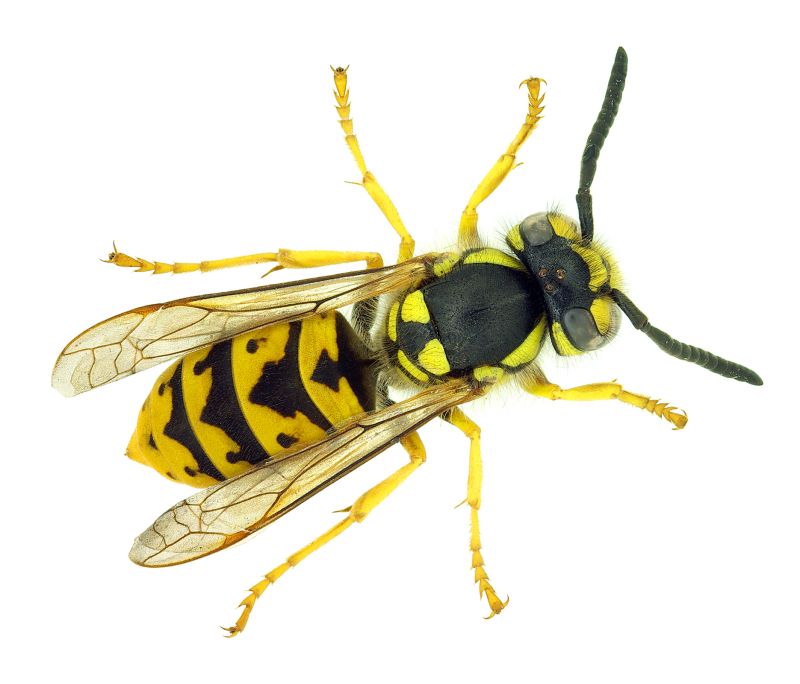
When evaluating local contractors for stinging insect control services, it is important to consider their experience with similar projects, specifically those involving nests around buildings. Contractors who have handled situations like identifying nesting sites in eaves, attics, or wall voids are more likely to have the practical knowledge needed to effectively address the problem. Asking about their past work on properties with comparable issues can help ensure they understand the common locations where stinging insects build nests and the appropriate methods for removal and prevention.
Clear written expectations are crucial when selecting a service provider. A reputable local contractor should be able to provide a detailed description of the services they offer, including how they plan to locate nests, the approach to removal, and any follow-up treatments. This transparency helps homeowners understand what to expect and ensures that there are no surprises once work begins. It also provides a basis for comparing different providers to see which one offers the most comprehensive and straightforward approach to managing nests around buildings.
Good communication and reputable references are key indicators of a trustworthy service provider. Contractors who are willing to share references from previous clients can offer insights into their reliability and the quality of their work. Additionally, responsive communication-whether through phone, email, or messaging-demonstrates a contractor’s professionalism and willingness to address questions or concerns. When choosing from local pros, prioritizing those with positive references and clear, open lines of communication can lead to a smoother experience in managing stinging insects around the building.
Property owners often search for where stinging insects commonly build nests around buildings when they are planning practical projects around their homes and businesses. Local pros provide Stinging Insect Control services for everyday jobs and straightforward project options.
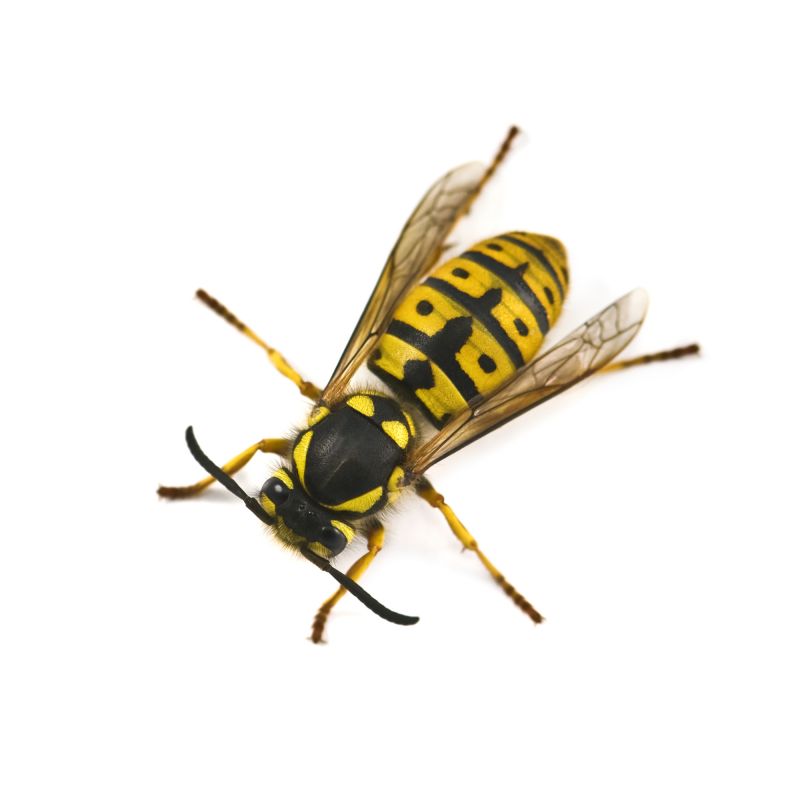
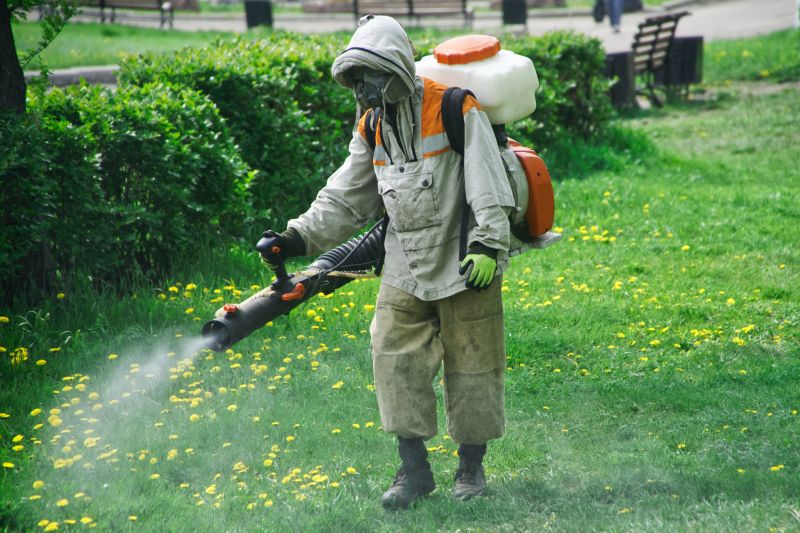
Understanding where stinging insects commonly build nests around buildings can help property owners identify potential problem areas early. These insects often choose sheltered spots that provide protection and easy access to food sources, such as eaves, soffits, wall voids, and beneath roof overhangs. Recognizing these common nesting sites around residential and commercial structures allows property owners to be more vigilant and take proactive steps to prevent infestations.
When nests are discovered in or around a building, enlisting the help of local contractors experienced in stinging insect control can be an effective solution. These service providers have the expertise to safely remove nests and implement measures to deter future nesting. Contacting local pros ensures that the job is handled properly, reducing the risk of stings and minimizing disruption to the property.
Where do stinging insects typically build nests around buildings? Stinging insects often build nests in sheltered areas such as eaves, soffits, attics, wall voids, and beneath decks or porches around buildings. Local contractors experienced in stinging insect control can identify these common nesting spots and safely remove them.
Are there specific parts of a building where nests are more likely to be found? Yes, nests are frequently found in areas with access to shelter and food sources, including roof overhangs, window frames, vents, and behind siding. Professional service providers can assess these areas to locate and eliminate nests effectively.
What outdoor structures around buildings are common nesting sites? Common nesting sites include sheds, garages, fences, and stacked firewood near buildings. Local pros can inspect these structures to determine if stinging insects have established nests nearby.
Can stinging insects build nests inside buildings? Yes, some species may build nests inside wall voids, attics, or other concealed indoor spaces if they find access. Service providers can safely identify and remove nests in these hidden areas to prevent infestations.
How do local pros handle nests in hard-to-reach places? Experienced pest control professionals use specialized tools and methods to access and remove nests in difficult locations, ensuring the safety of residents and effective elimination of stinging insect colonies.
Identify common nesting sites - property owners can observe areas like eaves, vents, and wall voids to determine where stinging insects build nests around buildings, enabling targeted treatment with help from local contractors.
Inspect around entry points - checking gaps in siding, window frames, and doorways can reveal potential nesting spots, which local pros can treat to prevent insect colonies from establishing.
Monitor shaded and sheltered areas - noting locations such as under decks, behind shutters, or near shrubbery helps property owners understand where stinging insects prefer to build, so local service providers can address these sites effectively.
Plan for regular inspections - scheduling routine checks around the building’s structure ensures early detection of new nests, allowing local contractors to provide prompt removal and control services.
If you are thinking about where stinging insects commonly build nests around buildings for a property, this guide is meant to help you understand this topic, the typical project types, and how different options might fit your plans.
When you are ready, you can use the quote form on this page to share a few details about your project. From there, local pros can review the basics and follow up with options that match what you have in mind.