Get Wasp Nest Removal in Lansing, IL
Wasp nest removal services for Lansing, IL help property owners eliminate dangerous or obstructive nests, addressing infestations on homes, garages, sheds, and other structures.
Wasp nest removal is an important consideration for property owners in Lansing, IL, especially when nests are located near entryways, eaves, or other high-traffic areas. Ensuring that these nests are handled safely and effectively can help prevent potential stings and reduce the risk of wasp activity around the property. Many local contractors specialize in this work, offering solutions tailored to the unique needs of residential and commercial spaces alike. Exploring different options can help property owners find the right approach to maintaining a safe and comfortable environment.
If nests are causing concern or if there’s uncertainty about the best way to address wasp activity, it’s helpful to compare services offered by local providers. Connecting with experienced service providers in Lansing, IL, can assist in planning a removal strategy that fits specific property conditions. Keep reading to learn more about how local experts can support property owners in managing wasp nests effectively and safely.
- Wasp Nest Removal - needed when wasp nests are found in eaves, trees, or other outdoor structures around Lansing neighborhoods.
- Wasp Nest Removal - required if wasp activity is observed near entryways or outdoor living areas in nearby communities.
- Wasp Nest Removal - necessary when nests are located in hard-to-reach places such as gutters or roof overhangs.
- Wasp Nest Removal - sought after if wasp populations become aggressive or pose a threat to household safety.
- Wasp Nest Removal - requested when early signs of nests are detected before they grow large or cause damage.
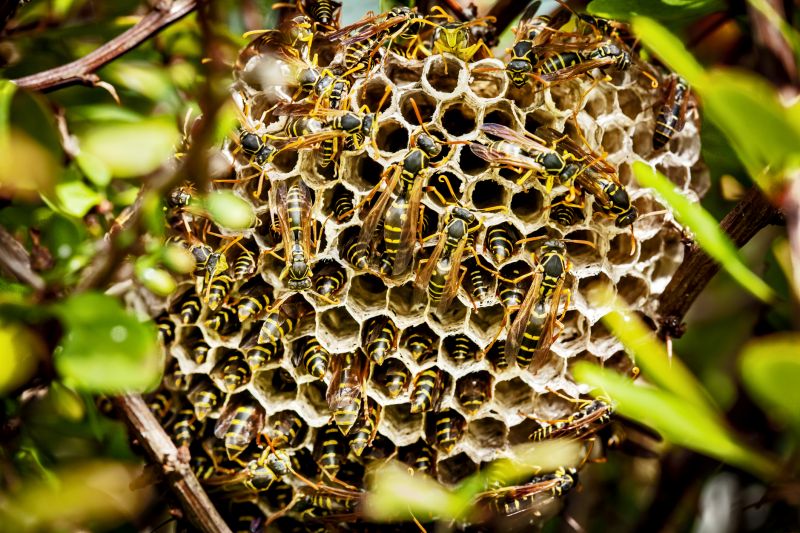
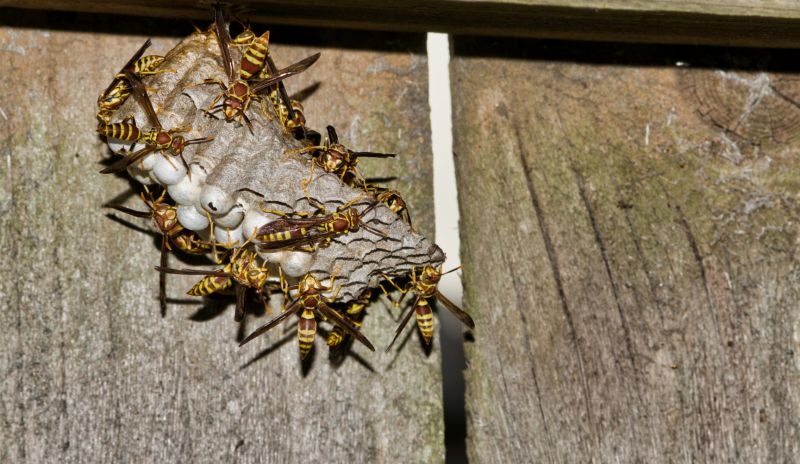
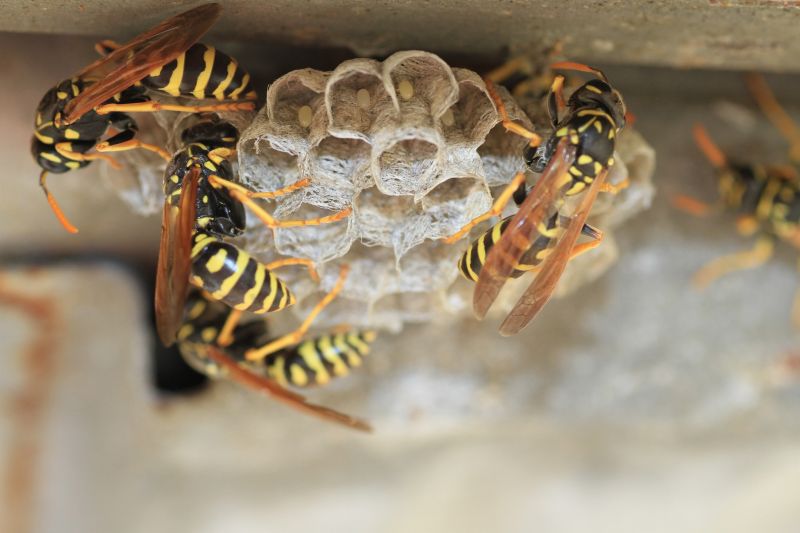
Wasp nest removal services involve the safe and effective elimination of wasp colonies that have established nests on or around a property. These services typically include identifying the location of the nest, assessing the size and type of wasp species involved, and then carefully removing or destroying the nest to prevent further activity. Trained service providers use specialized tools and methods to ensure the removal is thorough, minimizing the risk of wasps returning or becoming aggressive during the process. This work is often performed with safety in mind, ensuring that homeowners and residents are protected from stings and potential allergic reactions.
This service addresses common problems caused by wasp nests, such as persistent stinging insects in outdoor living areas, garden spaces, or near entryways. Wasps can pose a threat to families, especially during outdoor gatherings or activities, as they may sting if disturbed. Additionally, nests built on eaves, soffits, or in shrubs can lead to increased insect activity around the home, creating nuisances and potential health concerns. Removing a wasp nest not only reduces the risk of stings but also prevents the nest from growing larger and attracting more wasps, which can become a significant problem if left untreated.
Properties that typically require wasp nest removal services include residential homes, especially those with yards, decks, or porches, as well as multi-family buildings like apartment complexes. Commercial properties such as restaurants, cafes, or outdoor event spaces may also need these services to ensure a safe environment for customers and staff. Any property with visible nests or signs of wasp activity, such as buzzing insects around eaves or entry points, may benefit from professional removal. Service providers are experienced in handling nests on various property types, including houses, garages, sheds, and commercial buildings.
Homeowners should consider wasp nest removal services when they notice nests forming in accessible areas or experience frequent wasp activity near their home. Nests located close to high-traffic outdoor spaces or near children’s play areas are especially important to address promptly. If wasps are seen entering or leaving a nest, or if a nest appears to be growing in size, professional removal can help prevent potential stings and reduce the likelihood of wasp-related nuisances. Contacting local service providers can help determine the best approach to safely remove nests and restore comfort and safety around the property.
The overview below groups typical Wasp Nest Removal projects into broad ranges so you can see how smaller, mid-sized, and larger jobs often compare in Lansing, IL.
In many markets, a large share of routine jobs stays in the lower and middle ranges, while only a smaller percentage of projects moves into the highest bands when the work is more complex or site conditions are harder than average.
Small Nests - The typical cost for removing small wasp nests, such as those on eaves or outdoor furniture, ranges from $250 to $600. Many routine jobs fall within this middle range, depending on nest size and location.
Medium-Sized Nests - For larger nests found on trees or building walls, local contractors often charge between $600 and $1,200. Projects in this range are common, while fewer jobs reach the higher end of this band.
Large or Difficult Nests - Extensive nests on commercial structures or in hard-to-access areas can cost $1,200 to $3,000 or more. These larger, more complex projects are less frequent but can sometimes push costs into higher tiers.
Full Removal and Prevention - When including removal and preventative treatments for multiple nests, costs typically range from $500 to $2,500. Many service providers offer packages within this range, while comprehensive jobs may exceed it depending on scope.
Actual totals will depend on details like access to the work area, the scope of the project, and the materials selected, so use these as general starting points rather than exact figures.
Bird Nest Removal - local contractors use similar skills and tools to safely remove nests from eaves, attics, and other hard-to-reach areas, preventing pests from settling in.
Bee and Hornet Removal - professionals handle the removal of stinging insects using specialized equipment, which shares techniques with wasp nest elimination.
Pest Exclusion Services - these projects involve planning and sealing entry points to prevent pests like wasps and other insects from entering structures.
Tree and Shrub Pruning - pruning tasks require careful planning and use of tools to manage overgrown branches that may harbor wasp nests or other pests.
Attic Pest Inspection - inspecting attics for pest activity involves similar assessment skills used to locate and safely remove wasp nests in concealed areas.
Structural Damage Repair - repairing damage caused by pests or nests involves planning and working with building structures, akin to managing wasp nest removal in complex areas.
When evaluating potential service providers for wasp nest removal in Lansing, IL, it’s important to consider their experience with similar projects. Homeowners should inquire about how many wasp nests they have handled and whether they are familiar with the types of nests common in the area. A contractor with a proven track record in managing wasp removal can provide insights into effective techniques and help ensure the job is completed safely and efficiently. Reviewing the background of local contractors can help identify those who have successfully addressed situations similar to your own, giving confidence that they understand the nuances of the job.
Clear written expectations are essential when choosing a wasp nest removal service. Homeowners should seek detailed descriptions of the scope of work, including what the removal process entails, any necessary preparations, and what the client can expect as the outcome. Having a transparent understanding of the services offered helps prevent misunderstandings and ensures that both parties are aligned on the project’s goals. When comparing options, it’s beneficial to request information in writing to review at your convenience, making it easier to assess which local contractors are committed to clear communication and professionalism.
Reputation and communication are key factors in selecting a reliable service provider. Homeowners should look for local contractors who can provide reputable references or examples of completed work in the community. Good communication throughout the process-such as prompt responses to questions and clarity about procedures-can make the experience smoother and more predictable. It’s important to choose a provider who demonstrates professionalism and transparency, as these qualities often reflect their overall approach to customer service. Remember, the site introduces homeowners to local options, but it does not perform the work itself; selecting a trusted, experienced, and communicative contractor can lead to a more satisfactory wasp nest removal experience.
Property owners in Lansing, IL use Wasp Nest Removal services for practical projects around their homes and businesses. This guide focuses on everyday jobs and straightforward project options.
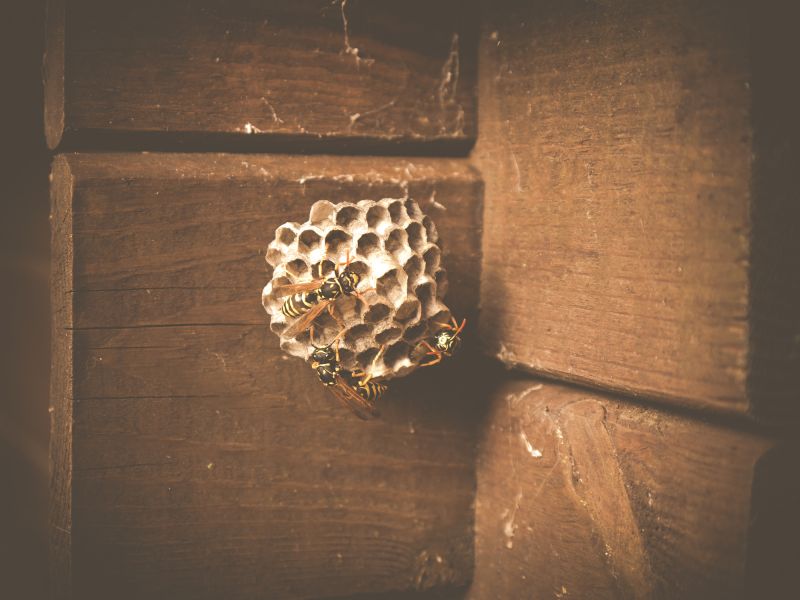

Wasp nest removal is a common concern for property owners in Lansing, IL, especially during warmer months when these insects become more active around homes, garages, and outdoor living spaces. Many residents seek professional help when they notice large or persistent nests on their property, as attempting to remove them without proper equipment can be risky. Local contractors who specialize in pest removal can safely and effectively handle nests in hard-to-reach areas like eaves, attics, or behind siding, helping to prevent stings and potential infestations.
In addition to safety concerns, property owners may look for wasp nest removal services after experiencing increased insect activity or if nests begin to interfere with outdoor activities. Nests built near entry points or outdoor seating areas can pose a nuisance or hazard, prompting homeowners and business owners in Lansing to seek assistance. Service providers familiar with local conditions can assess the situation and recommend appropriate removal methods to keep outdoor spaces safe and comfortable.
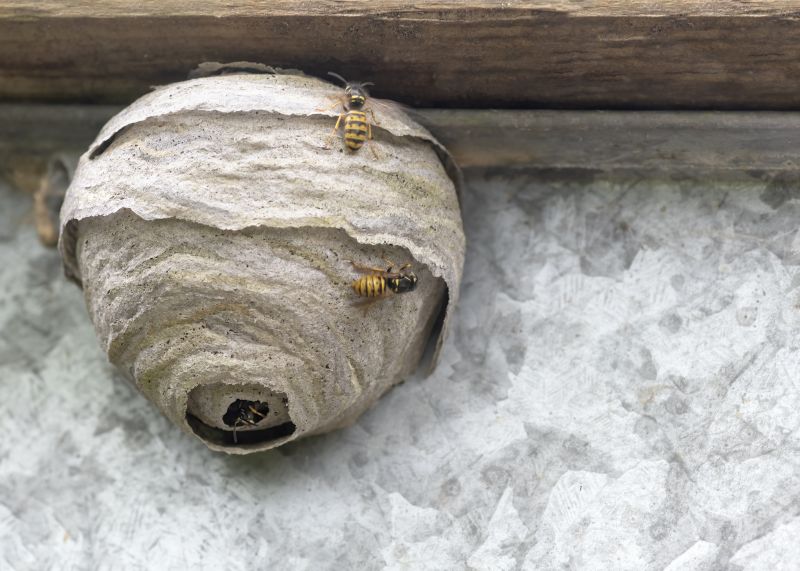
How do I identify a wasp nest on my property? Look for paper-like structures attached to eaves, fences, or trees, often with visible entrance holes and wasp activity nearby.
Are there different types of wasp nests that need different removal methods? Yes, some nests are built underground, while others are above ground; local contractors can identify the type and recommend appropriate removal techniques.
What should I do if I find a wasp nest close to my home? It’s best to contact local service providers who can safely remove the nest and reduce the risk of stings or infestations.
Can I remove a wasp nest myself? DIY removal is not recommended due to safety concerns; professional contractors have the proper tools and experience to handle the job safely.
How can I prevent wasps from building nests around my property? Regularly inspect your yard for early signs of nests and remove potential nesting sites, with guidance from local experts if needed.
Wasp Nest Removal for Roofs - Property owners can ensure their roofs remain safe and accessible by having local contractors remove wasp nests that may pose a risk to household activities.
Wasp Nest Removal in Gardens - Garden areas can be kept safe for outdoor enjoyment by removing wasp nests that might disturb family gatherings or outdoor play.
Wasp Nest Removal for Sheds and Outbuildings - Protect tools and stored items by having local service providers eliminate nests in sheds or outbuildings that could attract or house wasps.
Wasp Nest Removal on Eaves and Wall Spaces - Address nests hidden in wall cavities or eaves to prevent wasps from building colonies close to living spaces or entry points.
If you are thinking about Wasp Nest Removal for a property in Lansing, IL, this guide is meant to help you understand the work, the typical project types, and how different options might fit your plans.
When you are ready, you can use the quote form on this page to share a few details about your project. From there, local pros can review the basics and respond with options that match what you have in mind.